Guided Tibet Trip
In 2024, foreigners were still not allowed to do independent travelling in Tibet. Tour/trip had to be done with an licensed local tour agency. In our case the tour was organised by “China Discovery” a tour agency based in Chengdu.
Our “10 Days Tibet” was a continuation of another “8 days ZhangYe/Badain Jaran/Xining tour” by the same company. The total cost of the two guided tours running back to back was ¥22681 per person. This cost did not include flights, meals and tips to guides and drivers and was based on 4 travellers on the first 6 days and 5 travellers on the rest of the trip. Generally we thought it was pricy but went ahead as we had done many customisation like some rerouting, additional days and staying in very good hotels.
Our first guided tour ended in Xining and that was the city we boarded the Xining – Tibet Express Train to Lhasa,

Tibet Permits
We required two permits to travel in Tibet. The first permit was applied by the tour agency before we reached China and it was needed before boarding any train/plane for Tibet. The second permit was for visiting Mount Everest Base Camp. This second permit was applied in person with a “permit” authority in Shigatse with our agent.
Train to Tibet
We chose to take a train (22 hours ride) to Tibet because we heard so much about the beauty of the landscape and we wanted to see it. There was also a theory that if we started from Xining which was at altitude 2275m we would have a chance to acclimatise before moving on to Lhasa at 3656m.
We had requested for a late train starting in Xining at 9.30 pm but was put on the noon train. We wanted the night train as when day break we would be on the 2nd half of our journey in bright day light. As for the noon train we were seeing the first half of the route in day light and by the time we reached the second half of the journey darkness had fallen.

Regretfully we boarded the afternoon train. Day light was available as our train moved from Xining to Delinga to Geermu to near Budongquan. After that we travelled in total darkness all the way to Nagqu before daylight broke. The landscape on the earlier part of the journey was not that impressive but there were some beautiful sunset moments near Budongquan. We probably missed the “best” when our train rolled passed Yuzhu Peak, Tuotuohe, Amdo etc in darkness.
When we asked our agent why we were on the noon train, she claimed that there was no night train. This was a contradiction as on Trip.com we saw NIGHT TRAIN! Somehow we felt that we were “conned” by the agency.
Our impression of Tibet
Tibet was more modern than our expectation. It had big roads with cars and cars and cars. The buildings looked new and well maintained. The airport and the train station were huge and impressive.

The grand monasteries were turned into “tourist” attractions. These monasteries looked more impressive outside than inside which look dark and neglected. Visiting the interior of Potala Palace made us felt sad… the 14th Dalai Lama and his team had to flee this white palace in March 1959.
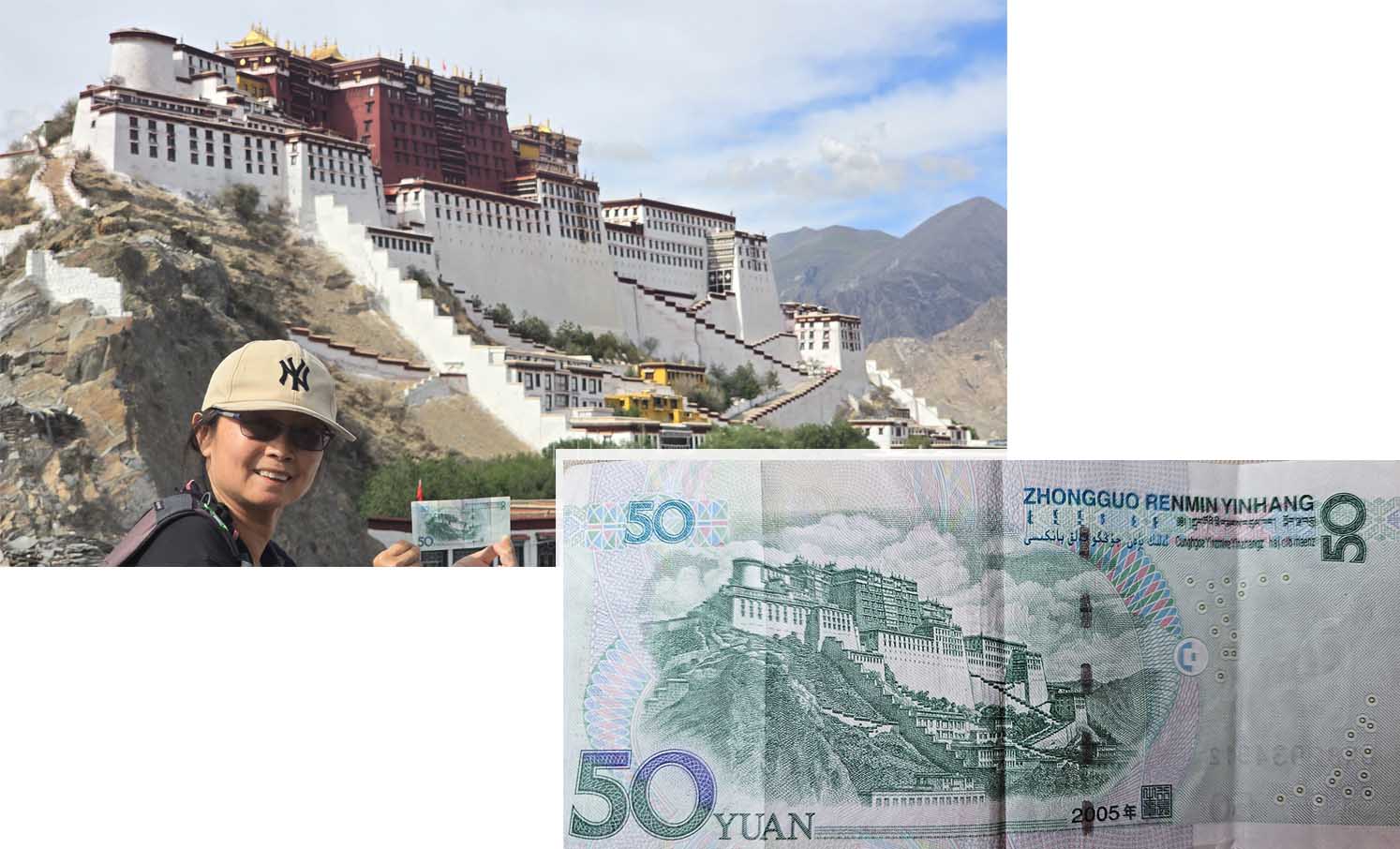
Though our guide we came to know more about Dalai Lamas, Panchen Lamas and their reincarnations. We came to know more about the founding of Tibet and the arrival of Buddhism.
The Dalai Lama were both a spiritual leader and a governing head of Tibet. He was revered as Bodhisattva – an enlightened, highly spiritually advanced human being who had delayed achieving final nirvana to continuously reincarnate and serve humanity
We saw so many staunched believers (Tibetan Buddhists) prostrating themselves over and over … targeting to reach 100,000 times. When we asked our guide what were these believers trying to achieve… and he said “a better next life”.

We understood that the older Tibetans were not concerned about richness and wanted to revolve their daily lives around reglious matters and their spiritual leaders. On the other hand, the younger ones looked forwards to better education, hard work and financial reward. So was the old world better or the new world was better? So was the Tibetans suppressed or liberated?
Lhasa
Lhasa was all about cultural sights, as for natural beautiful sights one had to move out of Lhasa. The nearer ones were Yamdrok lake, Namtso lake, Karola Glacier.
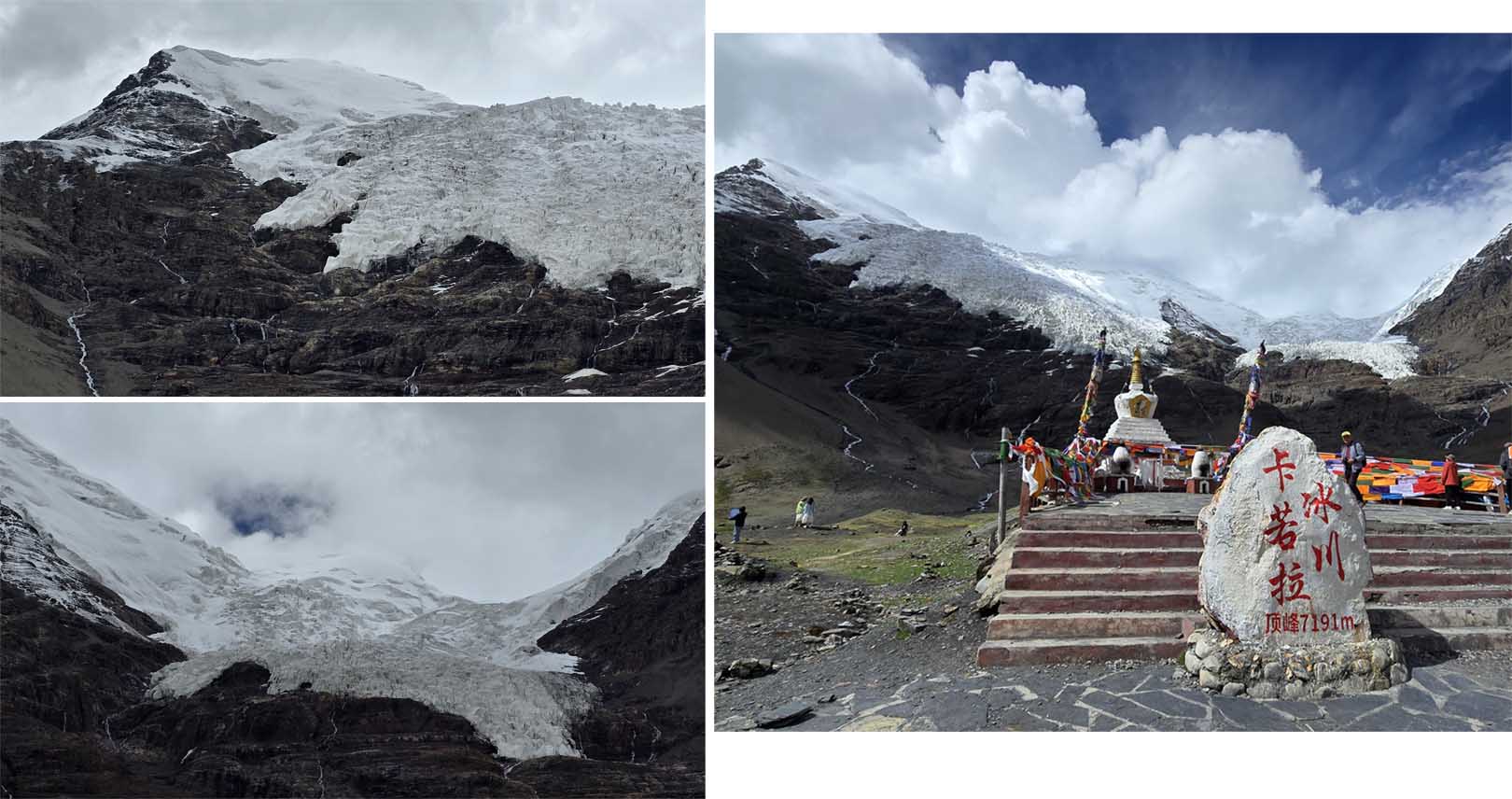
Mount Everest Base Camp
To visit Lhasa and Shigatse a six to seven days trip woud be sufficient. But to add Everest Base Camp (EBC), at least two more days would be needed. We originally did not want to include EBC in our itinerary as we felt it was a terribly tiring journey from Shigatse to EBC. We were also not comfortable with the basic accommodation basic facilities at EBC. But after much thought and discussion with the agent, we included the visit to EBC. We sacrified some sunrise and sunset sights of Mount Everest by not staying directly at EBC but at a town with better facility.
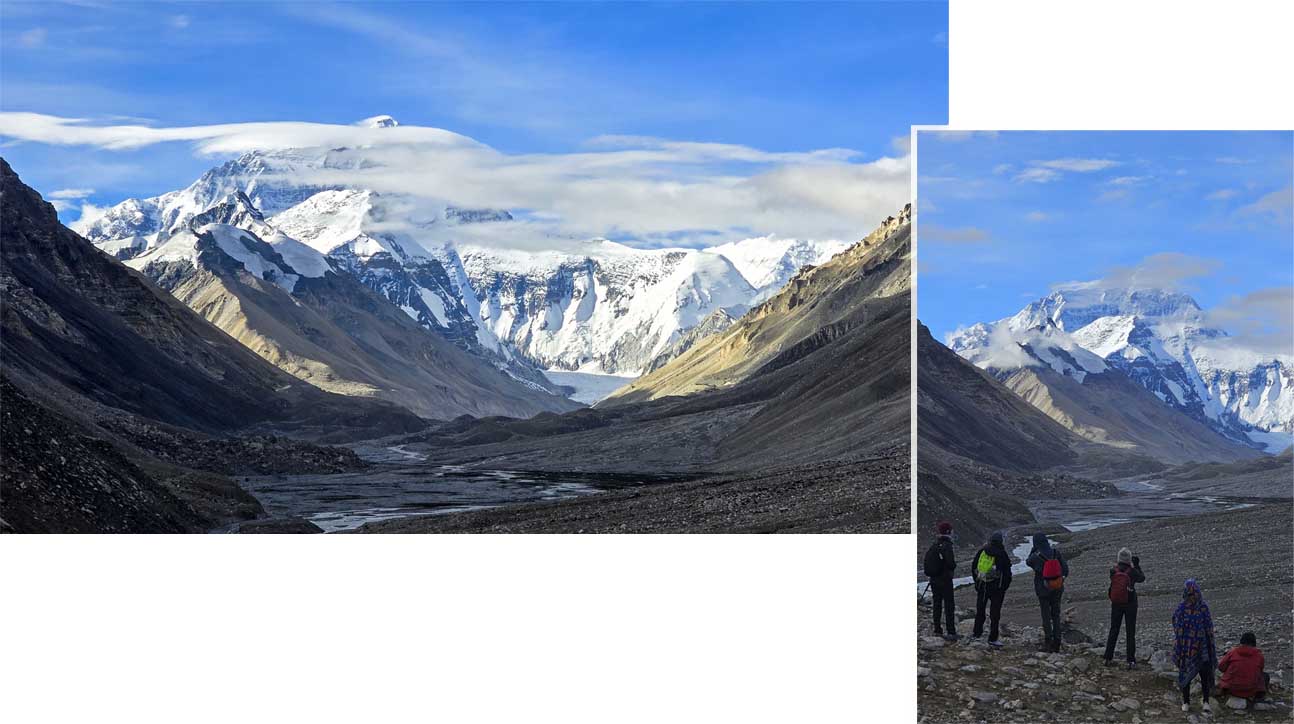
It was a great experience to see Mount Everest from EBC and it was definitely a milestone achieved to come so far and so high. Neverthless it was still a very tiring journey from Shigatse to EBC and return. There was no other attractions on the route to lightened to “boredom” but with the right friends on the same journey the tiring journey became bearable.
High Altitude Sickness
We came well prepared for high altitude sickness. We got doctor prescribed Diamox and faithfully consumed the prescribed amount. We frequently reminded ourselves to slow our paces so as not to agitate any “lurking” high altitude sickness. We did not used oxygen cannisters as we understood that once hooked, it would be difficult for the body to adjust to the high altitude and one would have to use oxygen cannister throughout.